Search
Peer Leadership Development Pilot Program Disability Inclusive Disaster Risk Reduction (DIDRR)
Why is DIDRR important?
People with disability have expert knowledge about their own needs, capabilities and strategies required to effectively manage disaster situations. Despite this, historical and systemic barriers have limited opportunities for their meaningful inclusion in the planning, response, and recovery phases of local disaster management.
What did QDN do?
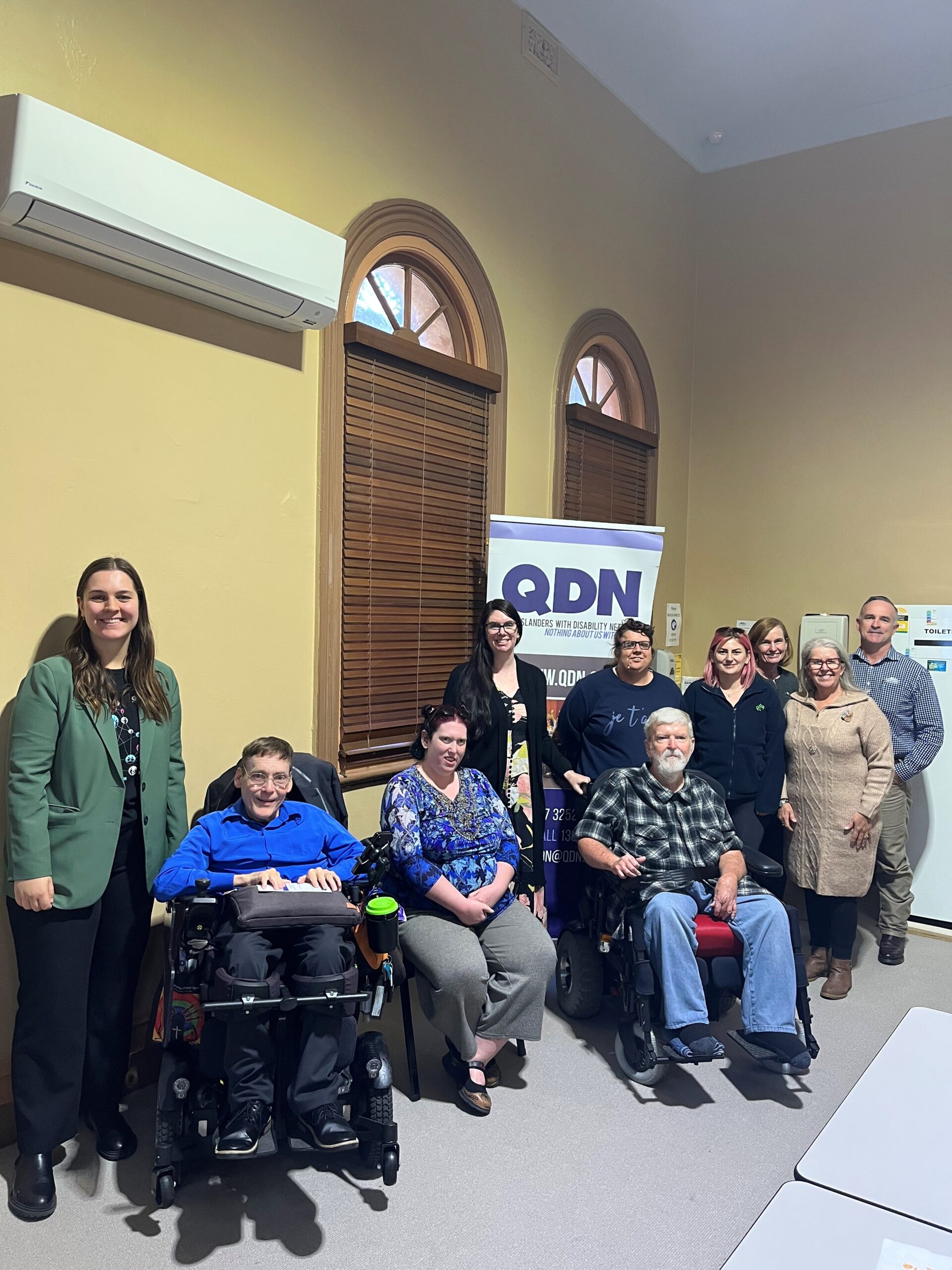
Queenslanders with Disability Network (QDN) partnered with the Department of Local Government, Water and Volunteers (The Department), Queensland Police Service (QPS) and The University of Sydney. The co-designed Disability Inclusive Disaster Risk Reduction (DIDRR) Peer Leadership Development Program built the leadership capability of people with disability, enabling them to step into meaningful roles in local disaster management arrangements, and enhance resilience of local communities.
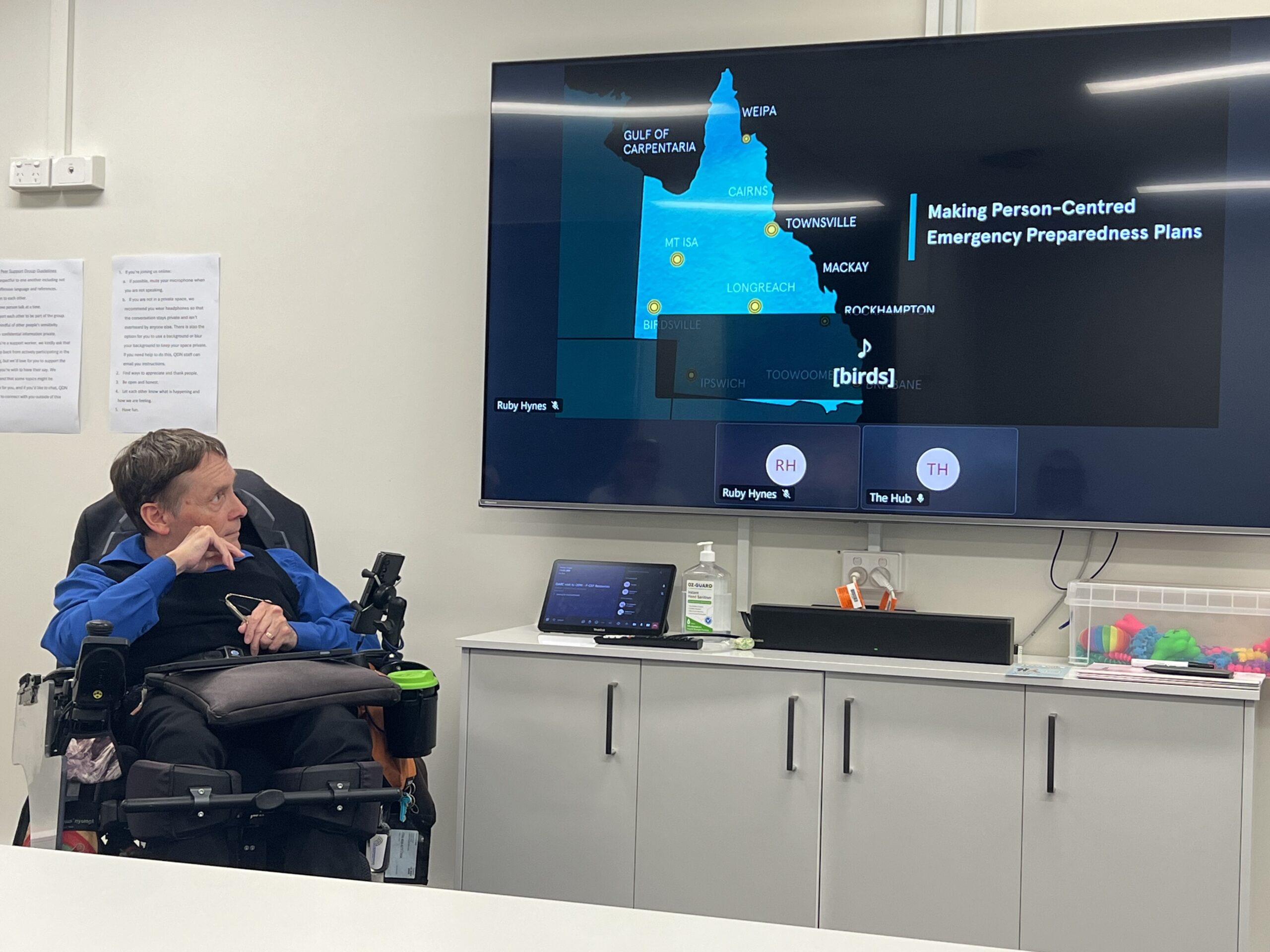
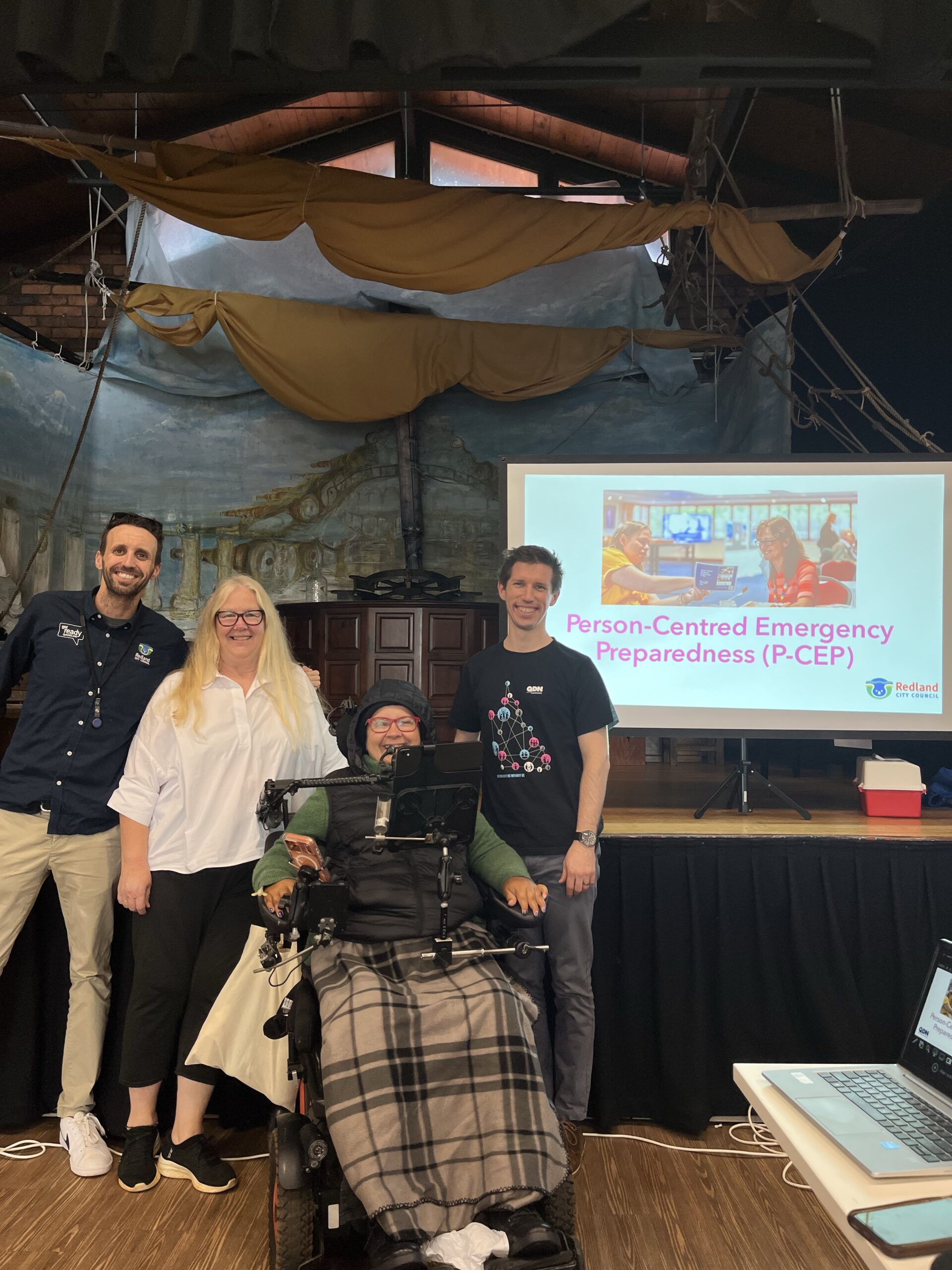
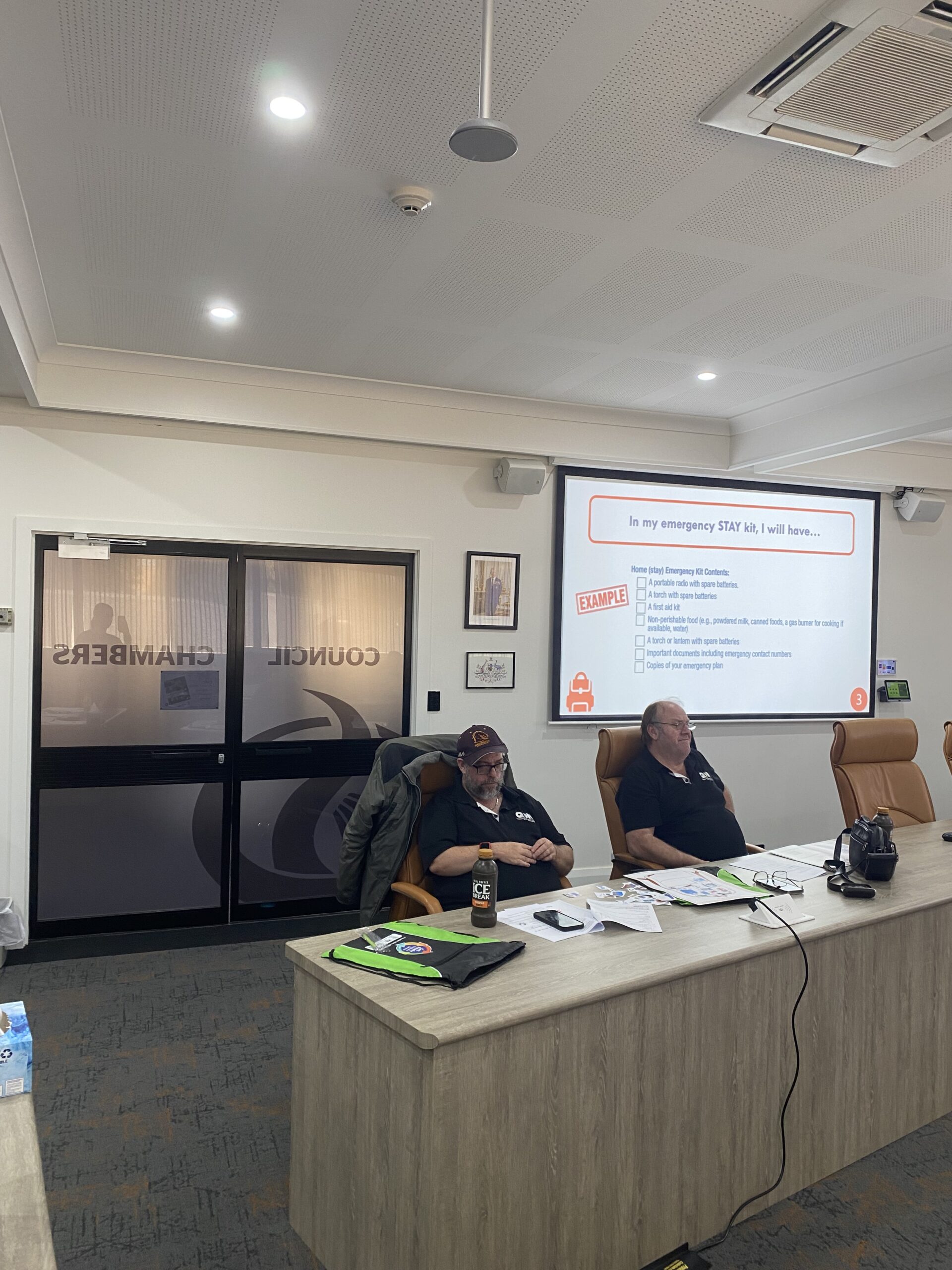
- Person-Centred Emergency Planning (P-CEP) – Workshops to support people with disability to plan for their support needs during emergencies.
Queensland Disaster Management Arrangements (QDMA) training – Delivered by QPS, connecting people with disability to key local disaster management stakeholders to build skills, knowledge and important connections.
Leadership and capability building training – Building the capability of people with disability to lead conversations in local communities to build wider community resilience and emergency preparedness.
Action plan sessions – Providing an opportunity for people with disability to influence LGAs to embed lived experience into local disaster management arrangements.
What lessons did we learn?
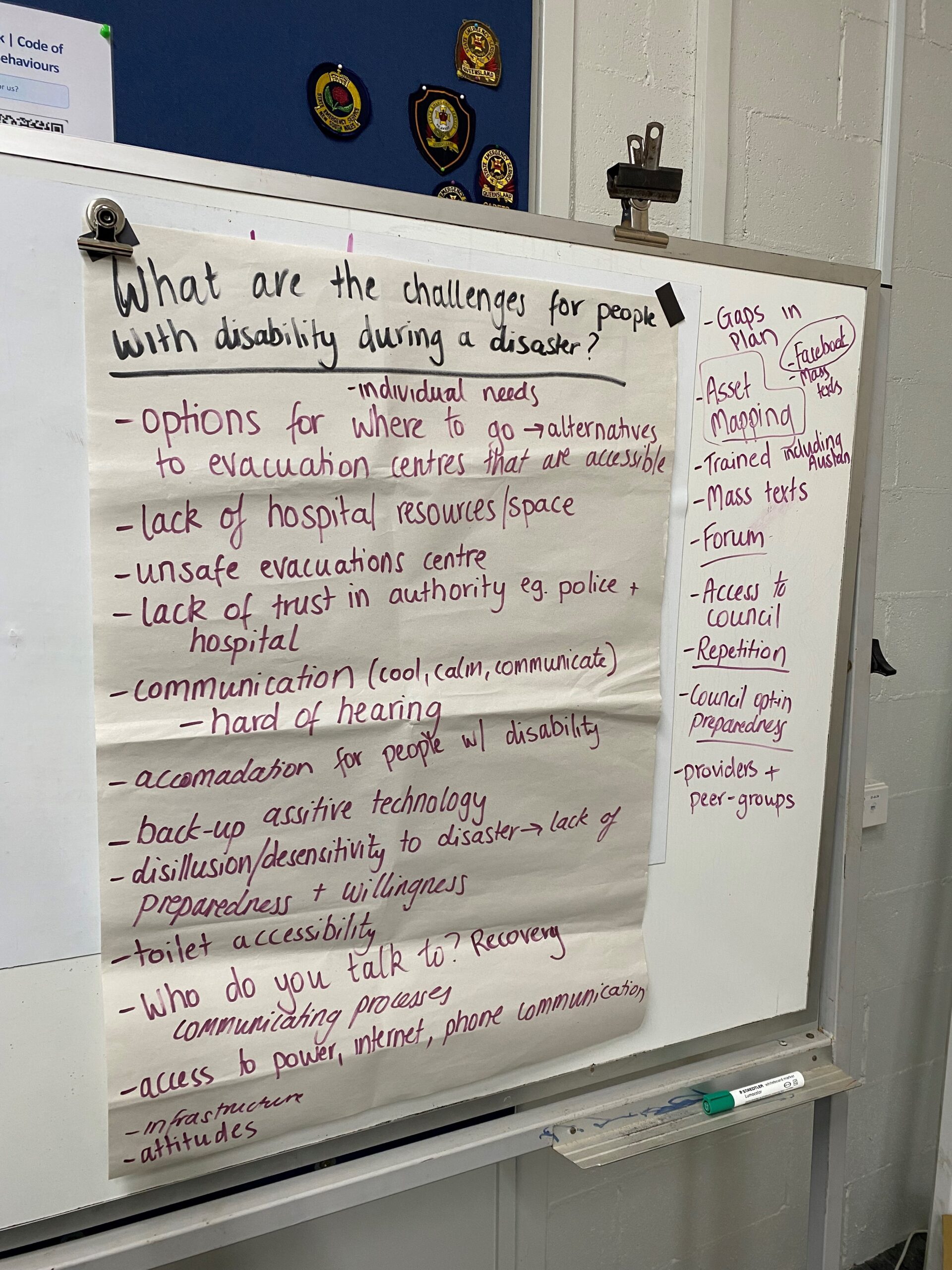
When people with disability are given opportunities to step into leadership roles, they bring valuable insights that can surface gaps in local disaster arrangements that may have otherwise remained unaddressed, strengthening emergency planning and response.
Genuine commitment from key disaster stakeholders is essential to support an integrated approach to DIDRR.
Inclusive disaster management is not always about adding new systems, but about improving the accessibility of existing systems and building leadership capability, to strengthen communication, inclusivity, and increase community-wide resilience.
What did people say about the pilot program?
- “I just know how important it is to be prepared for anything that may happen and being legally blind and going through being paralysed from a stroke and amputation. I know that my challenges require some extra support”
- “It’s just broadened my understanding so much. I thought I was pretty good, but it’s really broadened my ideas of what we need to do and how we can do it a bit better.”“I’ve been talking to my friends and family, and co-workers about what to do.”
- “I’ve been talking to my friends and family, and co-workers about what to do.”
- “But at the same time, I’ve had the opportunity to exercise my leadership qualities, through the program, through workshops and things like that.”